
Virginia restaurants have a new allergen requirement — but I think there’s a much bigger opportunity hiding inside it.
As of September 10, 2026, Virginia food establishments are required to provide written notification when any of the nine major food allergens are ingredients in the foods they serve. Those allergens are milk, eggs, fish, crustacean shellfish, tree nuts, peanuts, wheat, soy and sesame.
Restaurants have some flexibility in how they provide that information. Allergens can be identified on the menu using words, icons or numbers, provided through a separate written handout, or made available digitally through a QR code.
That’s the compliance piece.
But why stop there?
Comply with the requirement. Do more with your menu.
I’ve always believed a digital menu should be more than a pretty menu.
Yes, photos matter. Good descriptions matter. A beautiful presentation matters. But a menu can do something much more valuable: it can help a guest answer the question they’re really asking before choosing a restaurant:
Can I eat here — and is there something here for me?
For a guest with a food allergy, that question can be critical. Virginia’s new allergen requirement recognizes that diners need access to this information when making their food selections.
But they’re hardly the only diners looking for information.
Someone else may be vegetarian. Another guest may be looking for gluten-free options. Someone may want to know whether you use locally sourced ingredients. And another person may simply be looking for a really good burger.
The information they want may be different, but the behavior is remarkably similar.
People want to know before they go.
If you’re doing the work anyway, make the information work harder
Restaurants now have to identify major allergens. That can simply become another compliance task — another handout to create, another set of symbols to add to a menu — or it can become the foundation for a much more useful menu experience.
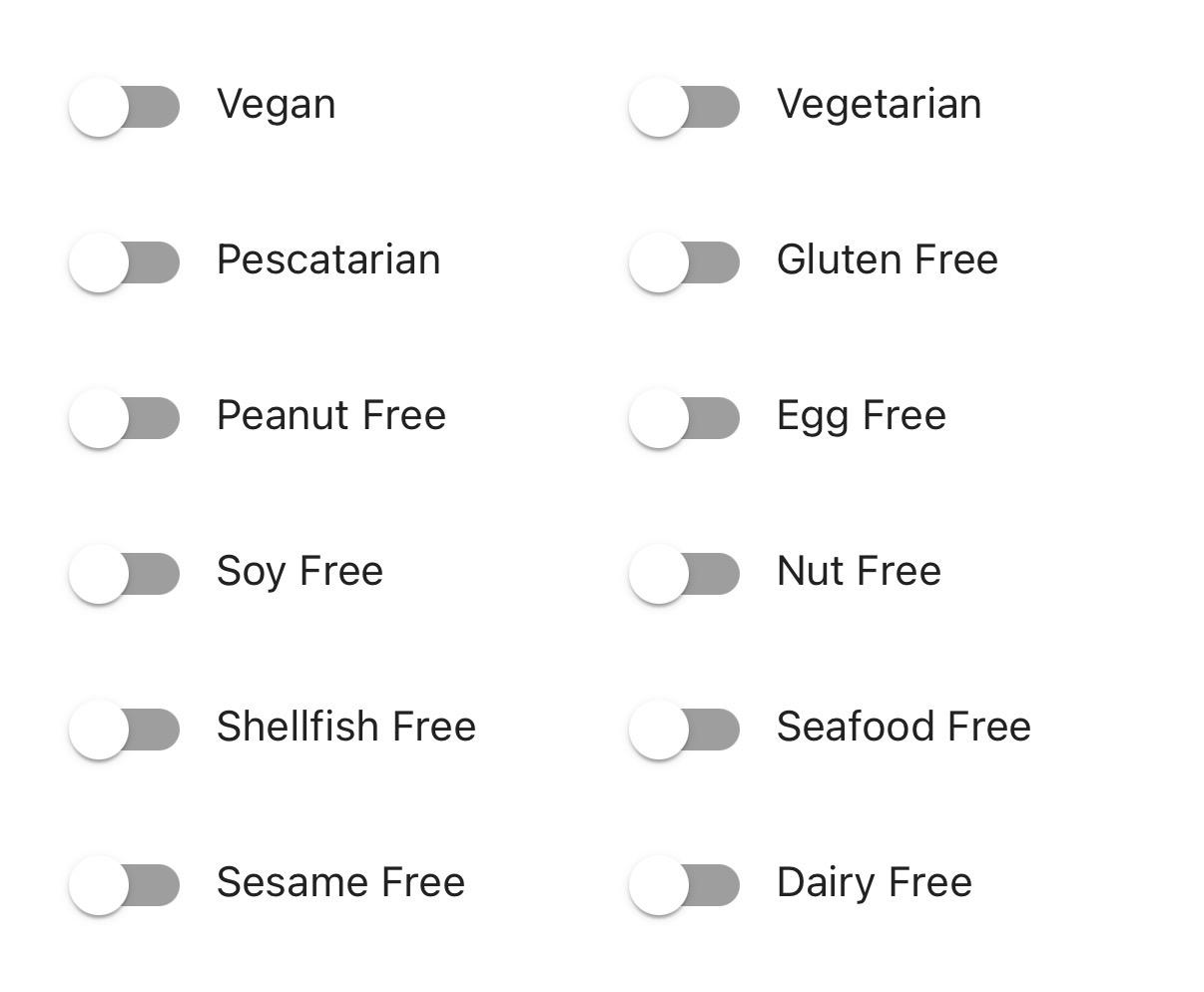
With Know My Menu, allergen information can be structured at the dish level so the guest who needs it can find it.
But that doesn’t mean every other guest needs to feel like they’re looking at an allergen menu.
That guest can be looking at photos, reading better descriptions, learning about ingredients or discovering something they didn’t even know they wanted to order.
That’s an important distinction to me.
An allergen-friendly menu doesn’t need to feel like an allergen menu.
It can simply be a more useful menu.
And if you’re already going through your dishes to identify milk, eggs, wheat or sesame, why not capture the other information your guests are looking for at the same time?
Is the dish vegetarian? Is there a gluten-free option? Are the ingredients local? What makes the dish special?
You’ve already done the hard part by gathering the information. Now let the menu put that information to work.
And then there’s discovery
This may be my favorite part.
Once menu information is structured, it can become searchable.
Think about the guest who doesn’t know your restaurant exists yet.
They aren't searching for your restaurant by name. They may be searching for a burger, seafood, Italian food, a vegetarian entrée or somewhere they can comfortably research their food options before deciding where to eat.
What a wonderful surprise if that search leads them to you.
That’s where a menu stops being something people look at after they find your restaurant and starts helping people find your restaurant.
Know My Menu is being built around that idea. Diners can discover restaurants not only by restaurant or cuisine, but by the actual dishes they’re looking for and the information that matters to them.
So yes, a guest managing a food allergy can use the menu to explore their options.
But the person craving a burger can find you, too.
And Virginia isn’t finished yet
There’s another piece of this that Virginia restaurant owners should know.
The allergen disclosure requirement that took effect September 10, 2026 is separate from additional food-allergy legislation passed during Virginia’s 2026 General Assembly session.
The Virginia Department of Health is developing regulations to implement those additional requirements and currently anticipates they will take effect in 2027. Among the changes VDH says are coming are requirements for online menus to include a food-allergy notification and provide a way for customers to indicate that they have an allergy.
So restaurants have a choice.
They can address each new requirement as it comes along, or they can use this moment to create a better way of managing and sharing their menu information.
With Know My Menu, a restaurant can have an allergen menu ready in as little as an hour, depending on the menu and the information available. And once that information is there, it can do a lot more than check a compliance box.
Comply with the allergen requirement. Then do more with your menu.
Give guests the information they need to make informed decisions. Give everyone else a beautiful, informative menu experience. And make the dishes you’ve worked so hard to create easier to discover.
Because a menu shouldn’t just tell people what you serve.
It should help the right people find you — and help them know before they go.
Virginia Department of Health Resources
Recent legislation for Virginia food allergy, intolerance, or sensitivity requirements
Frequently Asked Questions About Virginia Restaurant Allergen Requirements
When did Virginia’s new restaurant allergen requirement take effect?
The updated Virginia Food Regulations took effect September 10, 2026. Restaurants and other food establishments are now required to provide written notification of major food allergens contained in the foods they serve.
Which allergens do Virginia restaurants need to identify?
The nine major food allergens are milk, eggs, fish, crustacean shellfish, tree nuts, peanuts, wheat, soy and sesame.
Do restaurants have to put allergen information directly on their printed menus?
No. Virginia gives restaurants several ways to provide the required written information. Allergens can be identified alongside menu items using words, icons or numbers, or the restaurant can provide a separate written allergen handout. If icons or numbers are used, guests need access to a legend explaining what they mean.
Can Virginia restaurants use a QR code for allergen information?
Yes. The Virginia Department of Health specifically allows a QR code to provide access to written allergen information. That can be particularly useful for restaurants that want to provide detailed allergen information without filling their printed menu with additional symbols or text.
Do restaurants have to reprint their menus?
No. VDH says restaurants do not have to reprint their menus solely to comply with the allergen requirement. A separate written handout identifying allergens and the foods containing them is another option.
Can Know My Menu help with Virginia’s allergen requirement?
Know My Menu gives restaurants a way to organize allergen information at the dish level and make that information available digitally to guests. But we think that's the beginning, not the end. The same menu can include photos, enhanced descriptions, dietary information and ingredient details — while helping diners discover restaurants by cuisine and by the dishes they actually want to eat. In other words, if you have to do the work to organize your allergen information, why not make your menu work harder for you?